Are British Shorthairs good apartment cats?
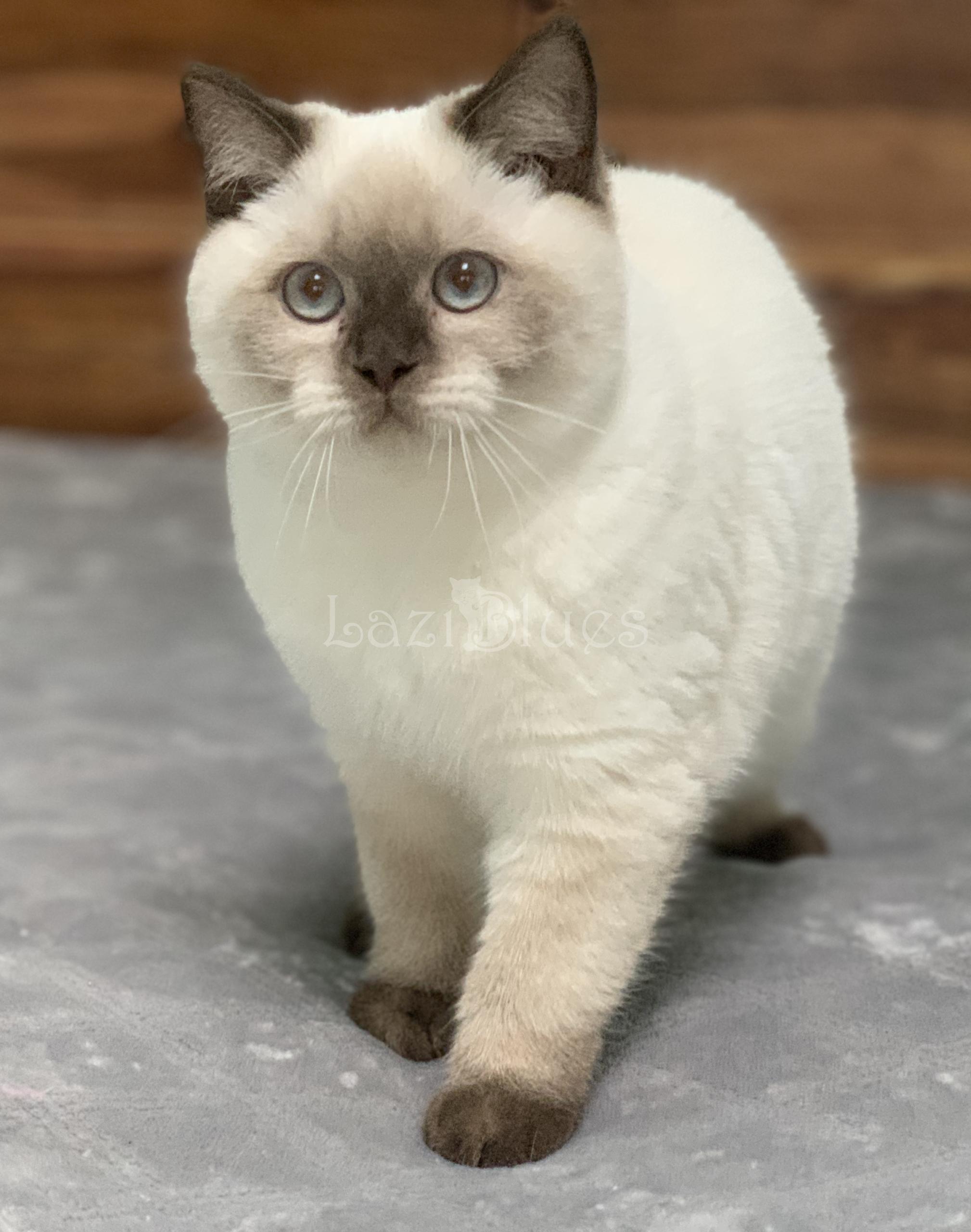
Many of the families who contact us live in apartments in New York City or in smaller homes in Westchester. They often ask whether a British Shorthair will be happy without a yard.
For most people, the answer is yes. This guide explains why the breed suits indoor living and how to enrich a small space.
Calm and quiet by nature
British Shorthairs are moderately active and generally quiet. They are not known for loud, constant meowing or for racing around at night, which neighbors appreciate.
Their easygoing nature means they tend to settle into a routine and adapt to the rhythm of your household, whether that is a studio or a house.
Content indoors
Many cats are happiest indoors, where they are safe from traffic, fights, parasites and disease. Indoor cats generally live longer and healthier lives.
The British Shorthair is not a breed that demands acres to explore. A cat tree by a window, a few toys and your company are often enough.
Enrichment for a small space
Cats need to climb, scratch, hunt and watch. A tall cat tree or wall shelves gives vertical space, a sturdy scratching post protects furniture, and a window perch lets your cat watch birds and passersby.
Rotate toys weekly, use puzzle feeders and play with a wand toy for ten minutes once or twice a day. Variety keeps an indoor cat from getting bored.
Keeping your cat active
The breed can gain weight easily, so daily activity matters even more in an apartment. Schedule play before meals so your cat can hunt, catch and then eat, just as nature intended.
Consider a leash and harness for supervised outings if your cat is willing. Many cats enjoy a calm walk or sitting in a secure outdoor spot.
Litter box and cleanliness
A clean litter box is essential in small spaces. Scoop daily, wash the box regularly and choose an unscented litter. Place the box somewhere quiet and easy to reach.
The general guideline is one box per cat plus one extra, but in a small apartment, one well-kept box in the right spot is often enough for a single cat.
Being away during the day
British Shorthairs usually cope well with a normal workday. Leave fresh water, food, toys and a clean litter box. Window perches and quiet music can help too.
If you are away often or for long periods, consider a second cat for company, or ask a friend or sitter to visit.
Is it right for you?
If you want a calm, quiet and affectionate companion that is happy indoors, the British Shorthair is an excellent choice for apartment living.
We welcome families from New York City and Westchester. Contact us to tell us about your home and to ask about upcoming litters.
Practical tips for city living
Cats in apartments benefit from a window perch with a secure screen, a cat tree and a routine. Keep windows safe, as high-rise syndrome, which refers to injuries from falls, is a real risk for curious cats. Use sturdy screens, and never leave windows open without them.
Noise insulation also matters: provide a scratching surface that does not rattle, and consider quiet play in the evening. Neighbors will rarely notice a British Shorthair, which is one of the breed’s advantages in building life.
Tell us about your living situation when you contact us. We have found homes for our kittens in apartments and houses alike.
A small-space checklist
For a happy apartment cat, set up a tall cat tree, a window perch with a secure screen, a scratching post, a litter box in a quiet spot and a few toys to rotate. Add a puzzle feeder to make mealtime more interesting.
Plan daily play, even when you are tired. Ten minutes with a wand toy before dinner can make a big difference to a cat’s behavior and weight.
Finally, cat-proof your space for safety: secure windows and balcony doors, hide cords and keep houseplants non-toxic.
Talk to LaziBlues
LaziBlues is a home cattery in Westchester County, New York. See the coats we raise on our kittens page, read more frequently asked questions, or contact us to ask about an upcoming litter. You can also call 914-421-0505.