Are British Shorthairs good family cats?
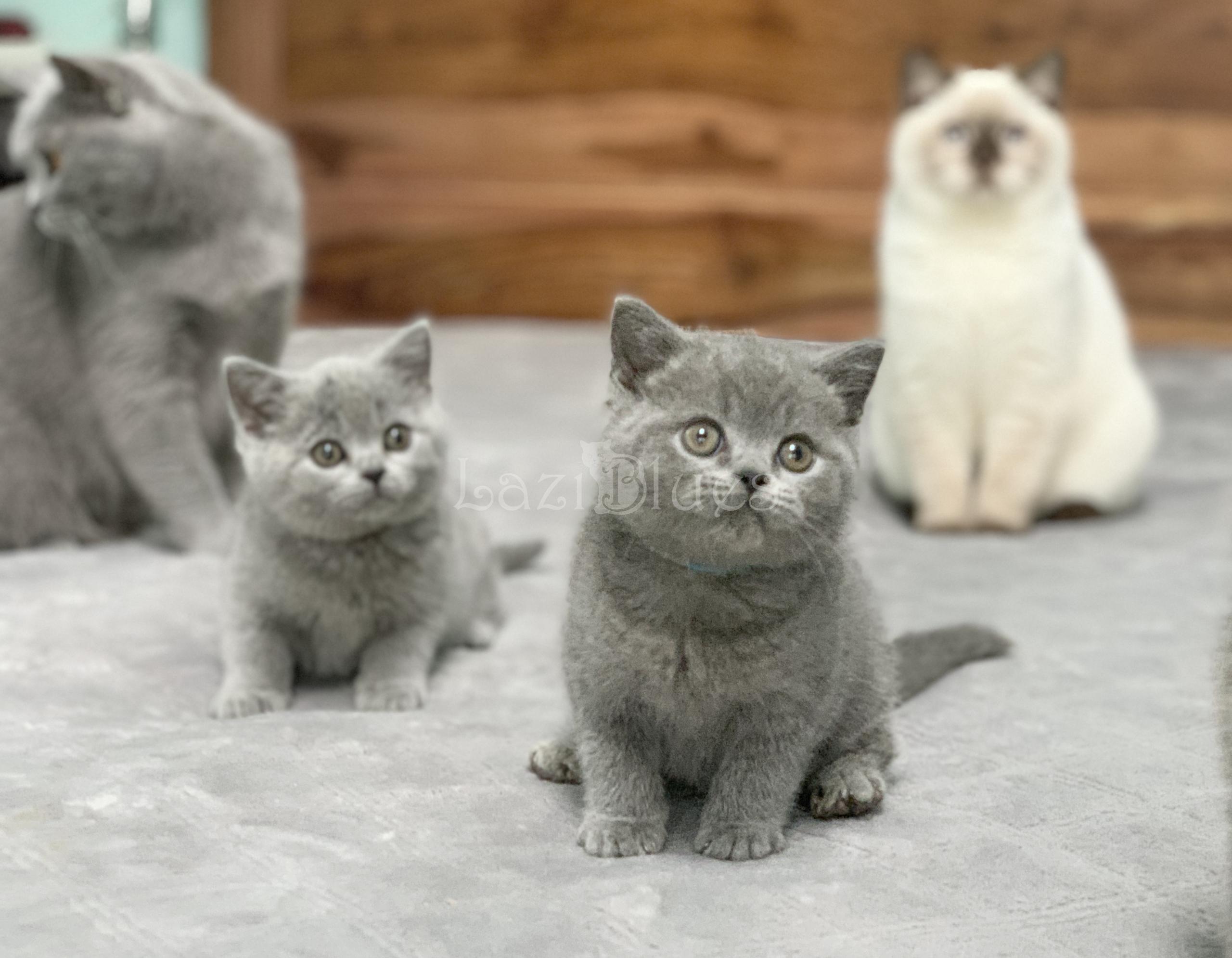
Families often ask whether the British Shorthair is a good choice for a home with children, other pets and a busy schedule. In most cases the answer is yes, with a few honest caveats.
Here is what to expect from the breed’s temperament, and how to give a new kitten the best start with every member of your family.
A calm, easygoing temperament
British Shorthairs are known for being relaxed. They are not frantic climbers or constant talkers. They tend to observe the household from a comfortable spot and join in when something interesting happens.
That steadiness is what makes them such good family companions. Most are patient with the noise and movement of a busy home and recover quickly from surprises.
British Shorthairs and children
Most British Shorthairs are tolerant and gentle with children, but they are not typically cats that enjoy being carried or squeezed. Many prefer to stay on all four paws and choose when to be affectionate.
Teach children to pet gently, to let the cat approach and to leave it alone when it walks away. With that respect, a British Shorthair can be a loyal friend to a child for many years.
Living with dogs and other cats
Because the breed is calm, British Shorthairs often get along with other cats and with dogs that are used to cats. Slow introductions matter more than breed. Start with separate rooms and gradually allow supervised meetings.
A dog that chases or herds can stress any cat. Give your kitten places to retreat, such as a tall cat tree or a room the dog cannot enter.
Affection without clinginess
Many British Shorthairs love company but prefer to sit beside you rather than on your lap. They will often follow you from room to room, supervise what you are doing, and curl up nearby.
If you want a cat that is always in your arms, you may find some individuals more independent than expected. If you want a cat that shares your space without demanding constant attention, the breed is ideal.
A good fit for busy households
Because British Shorthairs tolerate time alone better than many breeds, they suit households where everyone is out during the day. They still need daily play, fresh water, a clean litter box and your attention in the evening.
They are also quiet cats, which helps in apartments and in homes with young babies or light sleepers.
Choosing the right kitten for your family
Even within a calm breed, kittens have different personalities. Some are bold and curious, others quiet and cuddly. A breeder who knows each kitten well can match the right one to your family.
That is why we ask about your home, children and other pets before recommending a kitten, rather than simply going first-come, first-served.
Preparing your family
Before your kitten arrives, decide on house rules together: where the litter box goes, who feeds the cat and when, and how children should handle a kitten. Set up a quiet room where your kitten can settle in.
Give the kitten time. Most British Shorthairs adapt quickly, but the first week should be gentle and predictable.
Things to think about before you decide
No breed suits every household. If your home is very loud and chaotic, or you want a cat that loves to be carried and cuddled constantly, a British Shorthair might not be the perfect match. Think about how much time you can give each day to play and attention, and whether everyone in your home agrees on getting a cat.
Consider the long-term commitment too. British Shorthairs can live well into their teens, so a kitten who joins your family now may still be with you when your children are grown.
If you are not sure whether the breed fits your family, tell us about your household. We will give you an honest opinion, even if the answer is that a different cat would be a better match.
What a typical day looks like
A British Shorthair in a family home usually settles into a rhythm. It will wake with the household, eat breakfast, find a sunny spot to watch the morning bustle and doze through the middle of the day. When children return from school, many join in the activity, following the family from room to room.
Evenings are often when the breed is most affectionate. Expect a cat that sits near you on the sofa, supervises homework and perhaps accepts a gentle stroke while you watch television.
This steady rhythm is a large part of why the breed fits busy families so well. It asks for companionship, play and care, rather than constant entertainment.
Talk to LaziBlues
LaziBlues is a home cattery in Westchester County, New York. See the coats we raise on our kittens page, read more frequently asked questions, or contact us to ask about an upcoming litter. You can also call 914-421-0505.