British Shorthair health: what do responsible breeders screen for?
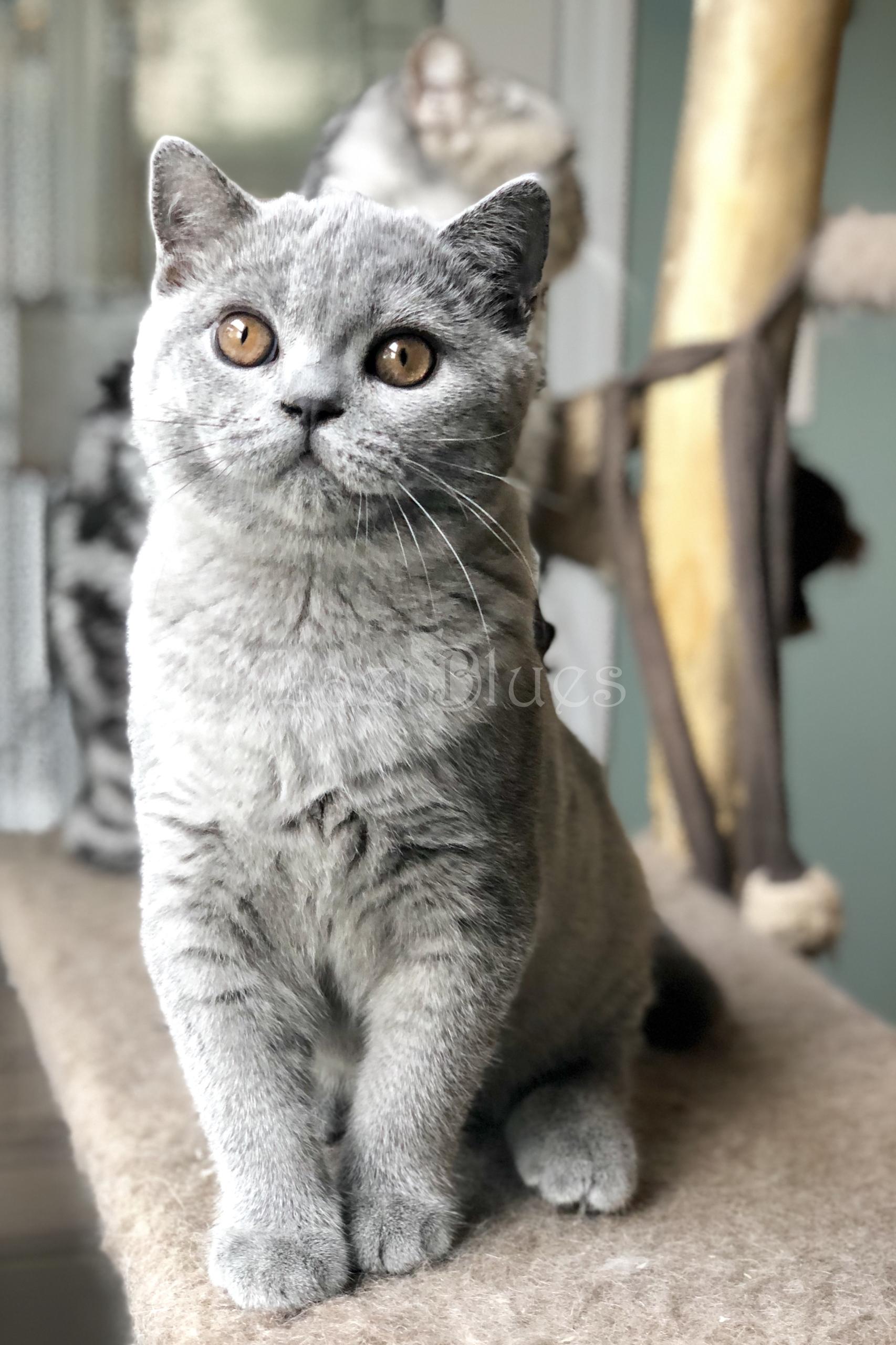
British Shorthairs are generally a sturdy, long-lived breed, and many live well into their teens. Like every breed, though, they can carry inherited conditions, and the best way to reduce risk is to start with parents that have been health-tested.
This guide explains the conditions most often discussed in the breed, what screening involves and which questions to ask a breeder. It is general information and not a substitute for advice from your own veterinarian. It is written by Zina Lemesh of LaziBlues.
Why health testing matters
Health testing does not guarantee that a kitten will never become ill, but it lowers the chance of inheriting certain serious conditions and shows that a breeder takes responsibility for the cats they produce. Breeding cats are screened before they are used in a program, and results guide which pairings are made.
A breeder who tests is also a breeder who keeps records, follows veterinary advice and is willing to talk openly about what is known and what is not. That transparency is a good sign for everything else about the cattery.
Heart health and HCM
Hypertrophic cardiomyopathy, usually called HCM, is a thickening of the heart muscle and is the most common heart disease in cats. It can affect many breeds, including the British Shorthair, and in some cats it causes few symptoms until it is advanced.
Responsible breeders have breeding cats screened by a veterinarian, often using an ultrasound of the heart called an echocardiogram, and repeat the screening at intervals. Ask how often it is done and by whom.
Kidney health and PKD
Polycystic kidney disease, or PKD, is an inherited condition in which cysts form in the kidneys. It is best known in Persians and related breeds, and a DNA test exists. Because the British Shorthair has Persian ancestry in some lines, many breeders choose to test for it.
A negative result in both parents is reassuring. Ask your breeder whether the parents have been tested and to see the results.
Blood types
Most cats have type A blood, but type B is more common in British Shorthairs than in many other breeds. Blood type matters for transfusions and for a condition in newborn kittens that can occur when a type B queen is bred to a type A male.
A thoughtful breeder will know the blood types of their cats and plan pairings accordingly. It is also helpful for you to know your cat’s type, so ask your vet.
Other things a breeder should check
Beyond the main screening tests, ask about vaccinations, parasite treatment and general veterinary care. Kittens should see a vet before going home and be vaccinated and dewormed for their age.
Ask also about the health history of the parent cats and their relatives, including how long they have lived. Long-lived, healthy lines are one of the best signs of sound breeding.
Questions to ask a breeder
Ask which tests have been done on both parents, when they were done and what the results were. Ask who performed them and whether you can see paperwork. Ask what happens if a kitten develops a health problem and what is in the contract.
Be wary of breeders who cannot or will not answer, who tell you tests are unnecessary or who pressure you to commit quickly. A confident breeder welcomes the questions.
What you can do at home
After your kitten comes home, schedule a checkup within a few days, keep to your vet’s vaccination schedule and keep your cat at a healthy weight. Annual checkups help catch problems early.
Feed a good diet, keep your cat indoors for safety, and watch for changes in appetite, weight, breathing or energy. Call your vet promptly if you see anything unusual.
Our approach at LaziBlues
At LaziBlues, every kitten goes home vaccinated and dewormed with a veterinary health certificate and a written contract. We raise our kittens at home and keep our program small.
If you would like to ask about our cats and their health, contact us. We are glad to answer questions.
Questions about insurance and ongoing care
Many owners consider pet insurance, which can help with unexpected veterinary bills. Compare policies carefully, check exclusions for pre-existing and hereditary conditions and ask your vet for advice. Insurance is easier to arrange when the cat is young and healthy.
Ongoing care is simple: annual checkups, vaccinations, dental care, parasite prevention and a healthy weight. Older cats benefit from checkups every six months.
If you have questions about the health of our cats or kittens, contact us. We are happy to explain what we do and what we have done.
Signs that need a vet visit
Even the healthiest cats can become ill. Contact your vet if your cat has trouble breathing, breathes with an open mouth, collapses or has sudden weakness in the back legs, refuses food for more than a day, drinks or urinates much more than usual, or loses weight without explanation.
Cats hide illness well, so subtle changes in behavior deserve attention. Hiding, withdrawal or a change in grooming can be early signs.
If you ever have a question about your LaziBlues kitten, message us as well. We are glad to help you decide whether something needs attention.
Talk to LaziBlues
LaziBlues is a home cattery in Westchester County, New York. See the coats we raise on our kittens page, read more frequently asked questions, or contact us to ask about an upcoming litter. You can also call 914-421-0505.