Do British Shorthairs shed? A simple grooming guide
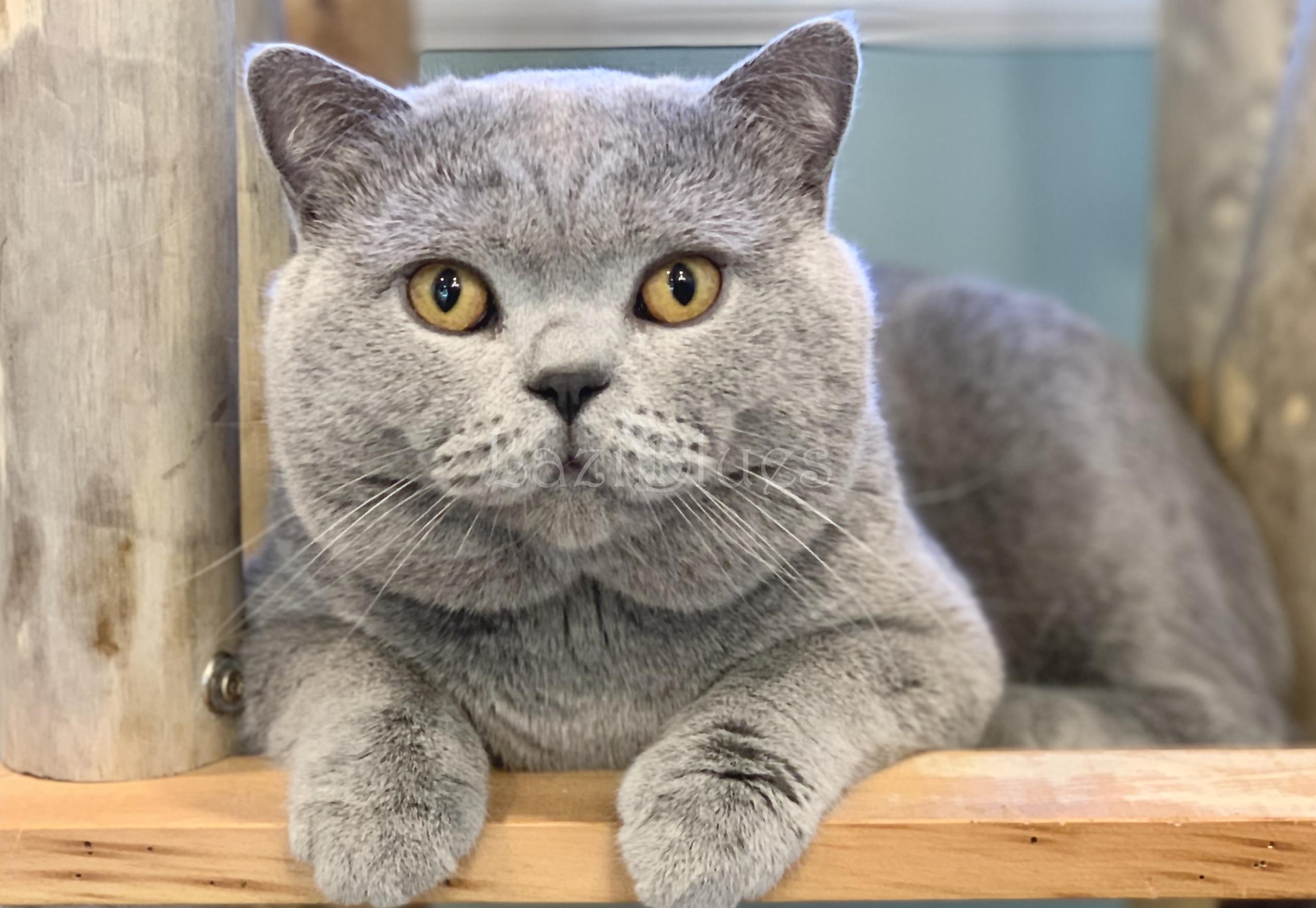
The British Shorthair’s dense, plush coat is one of the breed’s most loved features. It is also a common question: does all that fur mean endless shedding?
The honest answer is that British Shorthairs shed moderately, more in spring and fall, and need less grooming than long-haired breeds. This guide covers what to expect and the simple routine that keeps the coat healthy.
How much do British Shorthairs shed?
The coat is short, but it is also thick, with a dense undercoat that gives the plush texture the breed is known for. Because of the density, British Shorthairs shed more than their short hair suggests, particularly when the seasons change.
Most owners find shedding is manageable with regular brushing. You will see loose hair on furniture and clothing, but not the large mats and tangles of long-haired cats.
Seasonal shedding
Cats shed their winter coat in spring and grow a thicker one in the fall, and British Shorthairs do this noticeably. During these periods you may need to brush a few times a week to keep loose hair under control.
Indoor cats sometimes shed more evenly through the year because of artificial light and steady temperatures, so do not be surprised if the pattern is less obvious in your home.
A simple weekly routine
Brush your British Shorthair once a week with a soft slicker brush, rubber grooming glove or medium-toothed comb. Work gently in the direction of the hair and finish with a few long strokes.
Start the habit when your kitten is young. Keep sessions short and pleasant, with a treat or a cuddle afterwards, and your cat will come to enjoy the attention.
Baths, nails and ears
Healthy cats groom themselves well and rarely need baths. If a bath is needed, use a cat-safe shampoo, warm water and a calm approach. Dry your cat thoroughly and keep it warm.
Trim nails every few weeks, and check ears for dirt or odor. Dental care matters too: ask your vet about brushing teeth or dental treats.
Reducing hair around the home
Brushing is the most effective way to reduce loose hair. Vacuum regularly, wash cat bedding weekly and keep a lint roller handy. A washable throw on the sofa makes cleanup easy.
A good diet supports a healthy coat. If hair loss or dandruff appears, speak with your vet, as it can indicate skin problems, allergies or stress.
Shedding and allergies
No cat breed is truly hypoallergenic. Allergens come from saliva and skin as well as hair, and they spread through the home on loose fur and dander.
If someone in your home has allergies, spend time around British Shorthairs before bringing one home, and ask your doctor for advice.
Keeping the coat plush
The breed’s dense coat takes care of itself with a little help. Good food, a stress-free home and regular brushing are the secrets to the plush texture British Shorthairs are admired for.
If you would like to see the coats for yourself, contact us to visit the cattery by appointment.
Tools that make grooming easier
A few simple tools are enough: a soft slicker brush, a rubber grooming glove, a stainless-steel comb and a pair of cat nail clippers. A glove is useful for cats that are unsure about brushes, because it feels like petting.
Choose tools made for cats, and replace worn ones. Brush gently over the back and sides, and be careful around the belly and legs where skin is thin.
Make grooming a habit from the first week at home. A kitten that learns to relax during brushing will be easy to groom for life.
Grooming problems to watch for
Most British Shorthairs need very little beyond brushing, but changes in the coat can signal a health issue. Look out for bald patches, flaking skin, a greasy or dull coat, excessive scratching or a sudden increase in shedding.
Fleas, allergies, stress and nutrition can all affect the coat. Check your cat’s skin when you brush, and note any redness, scabs or lumps.
Contact your vet if you notice any of these. Early attention usually makes problems easier to solve, and a healthy coat is one of the best indicators of a healthy cat.
Talk to LaziBlues
LaziBlues is a home cattery in Westchester County, New York. See the coats we raise on our kittens page, read more frequently asked questions, or contact us to ask about an upcoming litter. You can also call 914-421-0505.