What should you look for in a British Shorthair breeder?
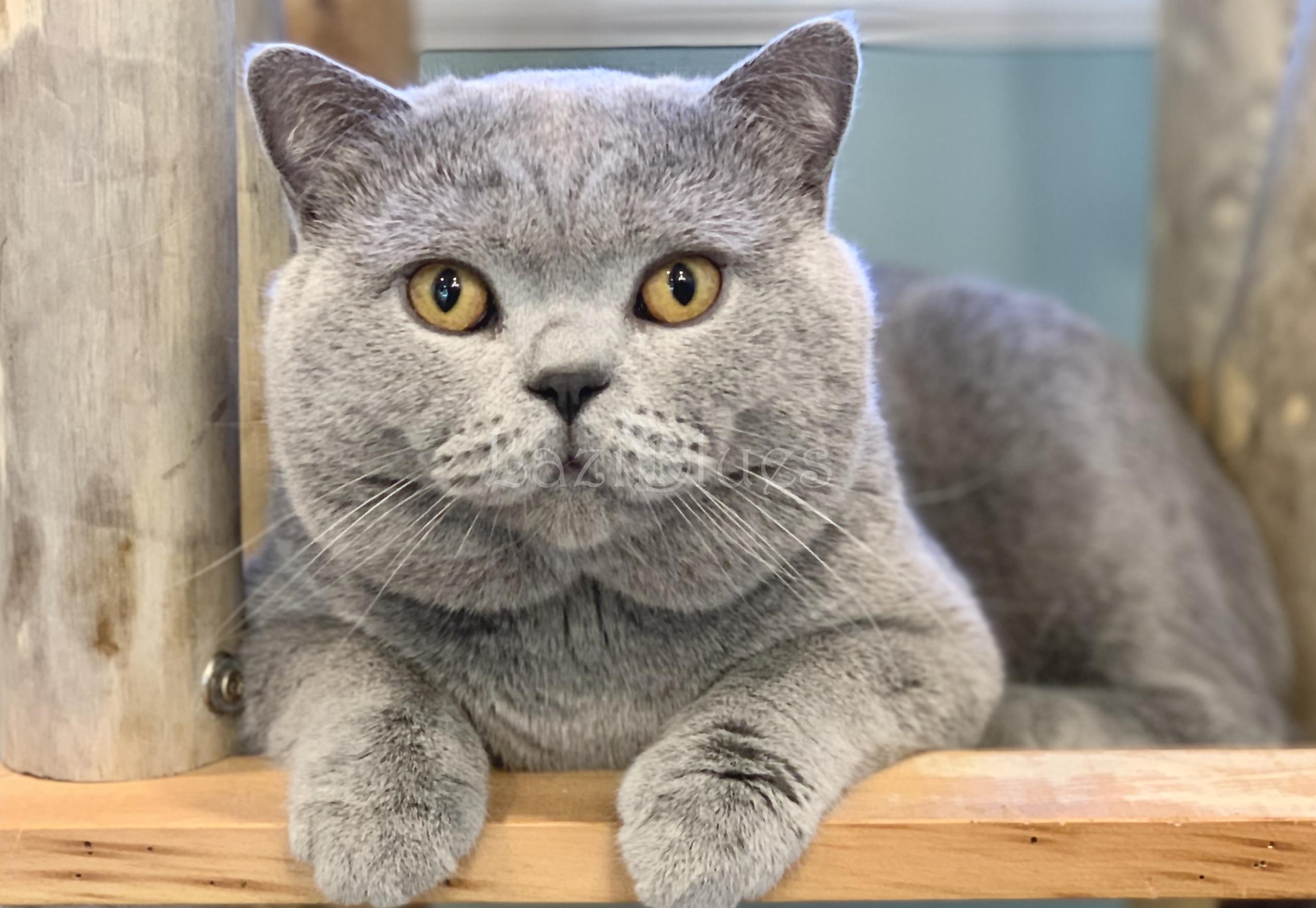
If you are searching for a British Shorthair kitten in New York, you will quickly find that breeders differ enormously. Some raise a small number of litters at home with great care. Others sell kittens in volume with little attention to health, temperament or the families they go to.
This guide explains what to look for so you can choose a breeder you trust. It comes from Zina Lemesh of LaziBlues, a home cattery in Westchester County, and it applies whoever you decide to buy from.
Kittens raised in a home, not a cage
The first weeks of life shape a cat’s temperament. Kittens raised underfoot in a family home hear the vacuum, the doorbell and the television, and they are handled gently every day. That early socialization is a big reason well-raised British Shorthairs settle into new homes so calmly.
Ask where the kittens live and how much time they spend with people. A good breeder will happily describe the daily routine, and many will show you the space in person or on video.
Health testing of the parent cats
Responsible breeders screen breeding cats for the inherited conditions relevant to the breed. For British Shorthairs, that conversation typically includes heart health, through screening for hypertrophic cardiomyopathy, and kidney health, as well as blood typing.
Do not be shy about asking for evidence. A breeder who cares about the cats will be open about what has been tested, what the results were and what is still unknown. Vague answers, or irritation at the question, are a warning sign.
A small number of litters
Breeding is hard on a queen, so careful breeders space litters to let each mother recover fully. A cattery that always has kittens available, or that sells many different breeds, is more likely to be running a business of volume than of care.
Waiting is normal. Good breeders often keep a waitlist for upcoming litters, which is also a sign that they plan pairings rather than reacting to demand.
Pedigrees and registration
A pedigree shows a kitten’s ancestry, and registration with an association such as CFA, TICA or ACFA shows the breeder follows recognized standards. Ask to see the parents’ registration details and learn how far back the lines go.
Champion lines are not a guarantee of a healthy, loving pet, but they suggest a breeder who invests in the quality of the breed, and they are one piece of the picture.
A written contract and a health certificate
Every kitten should go home with a written contract that spells out what you and the breeder each agree to, and a veterinary health certificate showing the kitten was examined, vaccinated and dewormed for its age.
Read the contract carefully before paying a deposit. If something is unclear, ask. A breeder who is proud of their cats is glad to explain every line.
A breeder who asks you questions
A good breeder wants to know about you too: your home, your household, children and other pets, and your experience with cats. This is not an interrogation. It lets them match each kitten’s personality to the right family.
Be wary of anyone who will sell you a kitten the moment you pay, with no questions and no conversation.
Support for the life of your cat
The relationship should not end at pickup. A breeder who answers questions about feeding, litter habits and health months or years later is one who cares about the cat, not only the sale.
Ask what happens if you can no longer keep the cat. The best breeders ask that the cat come back to them rather than be rehomed elsewhere.
Red flags to walk away from
Be cautious if a breeder always has kittens ready to go, sells several breeds, refuses to let you see where the kittens are raised, or offers to ship a kitten the same day without any conversation. Another warning sign is pressure to pay a deposit immediately, or a price that seems far lower than other breeders charge for similar cats.
Trust your instincts. A breeder who is proud of their cats welcomes questions, shares information freely and is happy to wait until you are sure. If you feel rushed or uneasy, it is perfectly fine to say thank you and keep looking.
If you are in New York, you are welcome to contact us with any questions about our program, even if you are speaking to several breeders. We would rather you choose with confidence.
A short checklist to take with you
Before you commit, run through a few simple questions. Have the parents been health-tested, and can you see the results? Were the kittens raised in a home? Will you receive a written contract and a veterinary health certificate? Is the breeder asking about you as well? Can you visit, or at least see video of the kittens and their space?
Write the answers down, especially if you are speaking to more than one breeder. Comparing notes later makes the differences much clearer than memory does, and it keeps the decision calm rather than rushed.
Finally, consider how you felt in the conversation. The right breeder is someone you would be comfortable calling in a year with a question about your cat.
Talk to LaziBlues
LaziBlues is a home cattery in Westchester County, New York. See the coats we raise on our kittens page, read more frequently asked questions, or contact us to ask about an upcoming litter. You can also call 914-421-0505.